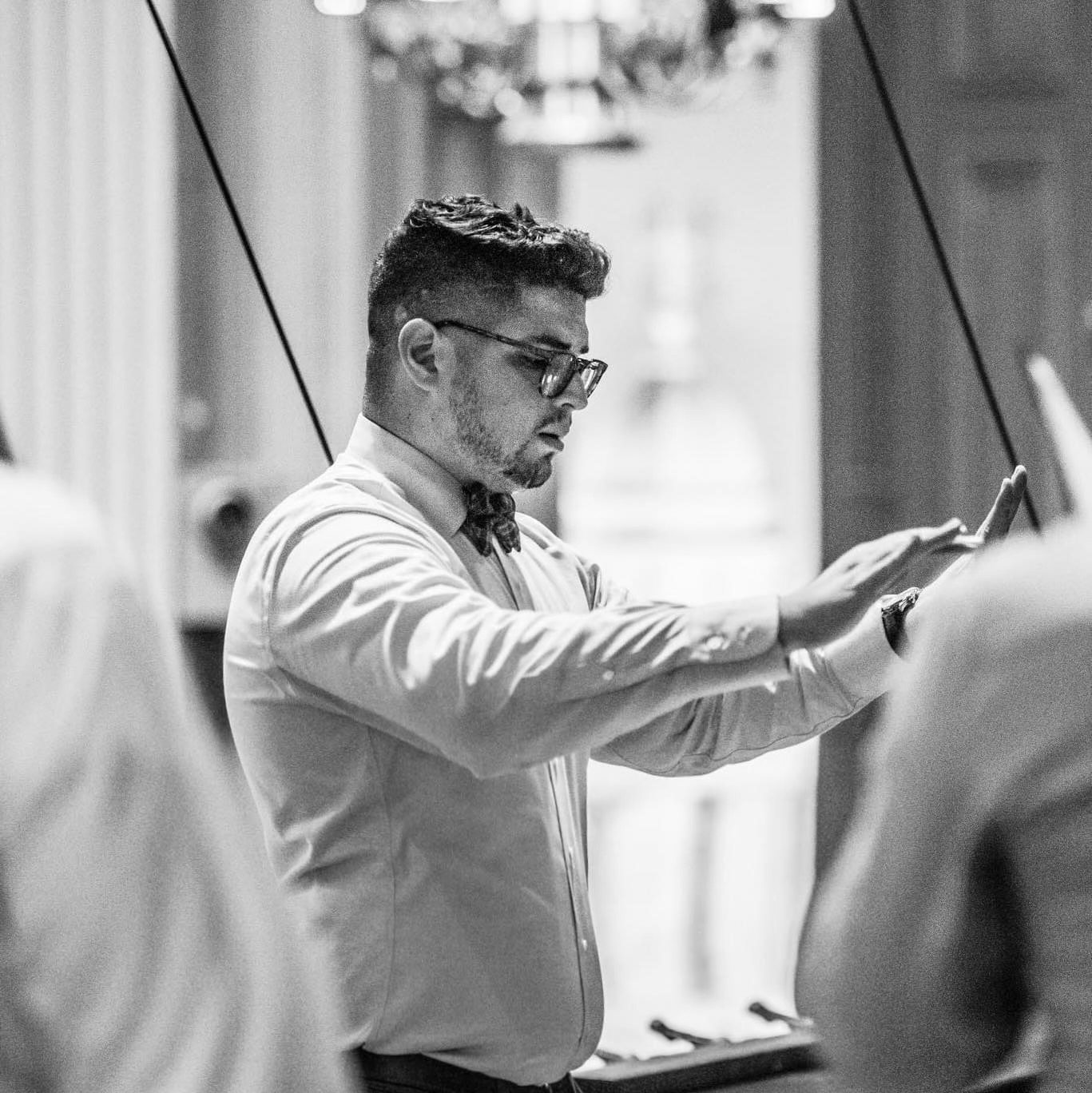
The idea for Cantori didn’t arrive in a single moment. It grew out of years of watching talented, devoted people struggle against systems that were never designed for them. A director managing a cathedral choir with a shared spreadsheet and a group text. An organist who couldn’t find the programs that needed exactly what they had to offer. A music director burning out not from the music, but from the administrative weight around it.
Every professional musician and liturgical director knows this tension. The music itself is a calling — demanding, beautiful, worth protecting. But the infrastructure around it has never been built with the same care. Payments happen through Venmo. Contracts exist as a screenshot of a text message. Scheduling lives in a shared Google Sheet. The tradition is ancient; the tools are borrowed.
Cantori was built to change that. Not as a startup playing in the church space, but from inside it — by people who have stood at the front of a choir loft and know what the work actually requires. Every feature, every decision, every bit of design starts from the question: what does sacred music actually need?
The answer is a platform built around the liturgical calendar, not a generic events system. Built around professional credentials and repertoire, not a social media profile. Built around signed contracts and proper payroll, not handshake agreements and cash in an envelope.